What You’ll Discover in This Blog
This comprehensive guide explores why sintered stone is emerging as the ultimate material for modern countertops, delving into its unmatched durability, versatile style options, and eco-friendly sustainability. Readers will learn about its manufacturing process, key advantages over traditional materials like granite and quartz, practical applications in kitchens and bathrooms, and maintenance tips. The blog also covers how sintered stone fits into contemporary Singaporean home designs, with insights for homeowners and designers. Three FAQs address common queries to help you decide if sintered stone is right for your next renovation project.
Why Sintered Stone is the Future of Modern Countertops: Durability, Style & Sustainability
In the ever-evolving world of interior design and home renovation, countertops serve as both functional workhorses and aesthetic centrepieces. Homeowners in Singapore, where compact kitchens demand materials that excel in performance and style, are increasingly turning to sintered stone. This innovative surface material—produced through a high-tech process of extreme heat and pressure—represents a paradigm shift from conventional options like granite, marble, or laminate. Sintered stone combines the resilience of engineered stone with natural aesthetics and environmental responsibility, positioning it as the future of modern countertops.
Understanding Sintered Stone: The Manufacturing Marvel
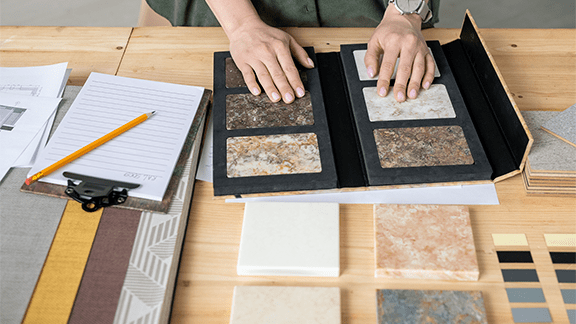
Sintered stone is crafted from a precise blend of natural minerals, including quartz, feldspar, and clay, subjected to temperatures exceeding 1,200°C and pressures up to 25,000 tonnes per square metre. This atom-level fusion creates slabs that are non-porous, uniform, and extraordinarily strong—without resins or synthetic binders common in quartz surfaces. Available in large formats up to 3200mm x 1600mm and thicknesses from 6mm to 20mm, sintered stone allows for seamless installations with minimal joints, ideal for Singapore’s space-conscious homes.
Unlike quarried natural stone, which varies in quality and requires sealing, sintered stone offers consistency batch after batch. Brands like Dekton, Neolith, and Lapitec have popularised it globally, and in Singapore, its adoption is surging due to the tropical climate’s demands for heat, humidity, and stain resistance.
Unrivalled Durability: Built to Last in Demanding Environments
Durability is where sintered stone truly shines, making it a superior choice for high-traffic areas like kitchens and bathrooms. With a Mohs hardness rating of 7-8 (comparable to quartz but surpassing granite’s variability), it resists scratches from knives, utensils, or daily wear far better than softer marbles. Its non-porous nature—zero water absorption—prevents bacterial growth, stains from spills like wine, oil, or coffee, and mould in humid Singapore conditions.
Thermal shock resistance is another standout: sintered stone withstands direct heat from pots up to 300°C without cracking or discolouring, eliminating the need for trivets. Impact tests show it endures drops that would shatter porcelain or laminate. For busy households, this translates to low-maintenance surfaces that retain beauty over decades, backed by warranties up to 25 years. In commercial settings like cafes or labs, its UV stability prevents fading, ensuring longevity indoors and out.
Compared to alternatives:
- Granite: Porous, requires annual sealing; prone to etching from acids.
- Quartz: Resin-based, can scorch under extreme heat.
- Laminate: Chips easily, swells with moisture.
Sintered stone’s edge-to-edge strength supports overhangs up to 80cm without plywood, simplifying fabrication and installation.
Timeless Style: Versatility for Every Aesthetic
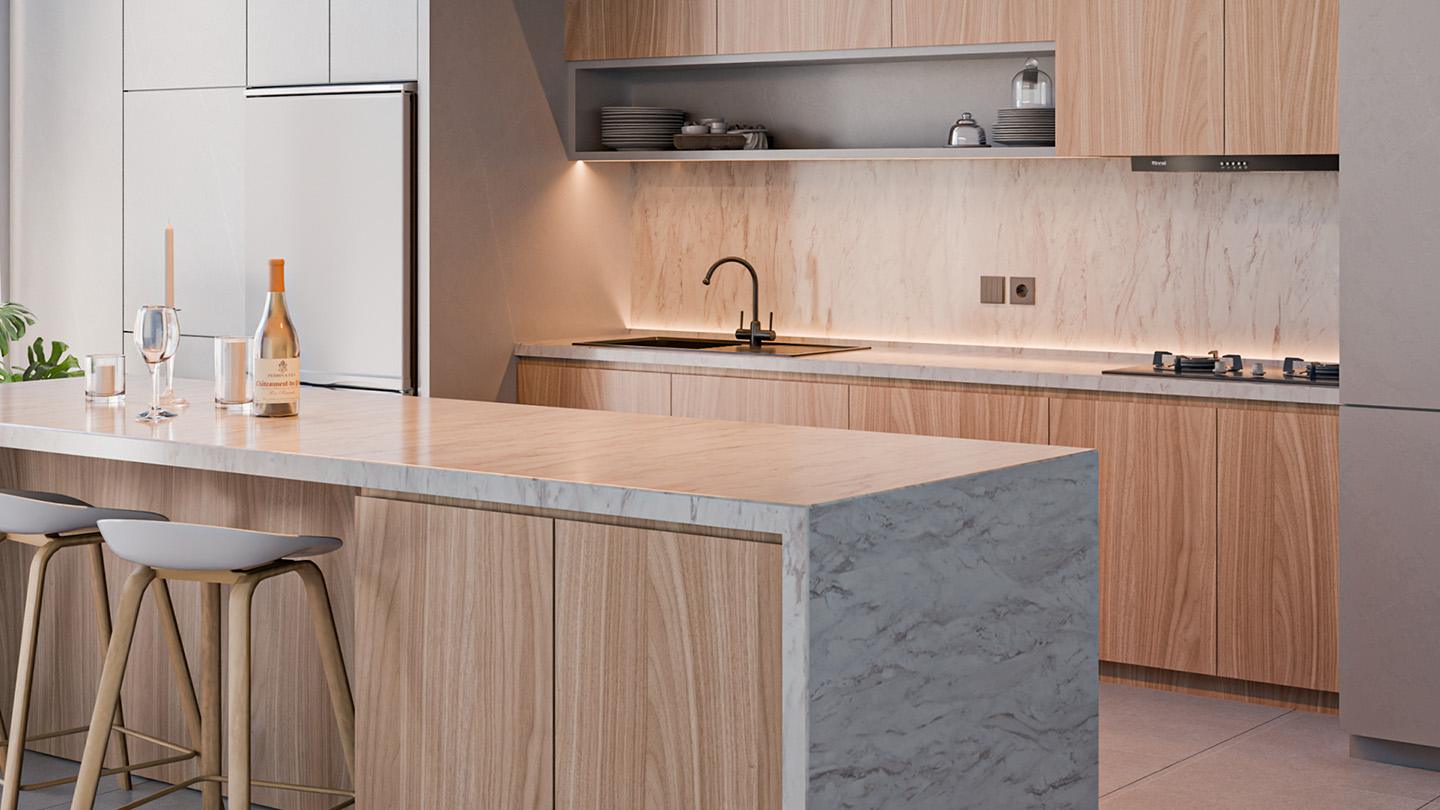
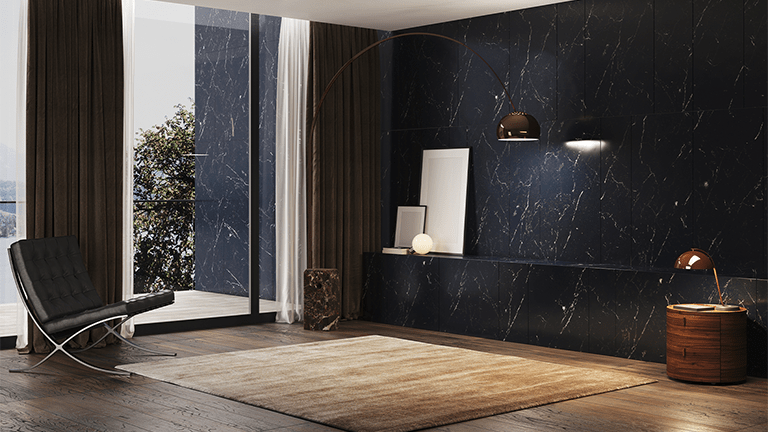
Sintered stone’s style quotient rivals luxury marble while offering endless customisation. Replicating veining, textures, and hues of travertine, Calacatta, or concrete, it comes in polished, matt, textured, or grip finishes. Thin 12mm slabs enable waterfall islands, vertical backsplashes, or furniture-like vanities, blurring lines between surfaces.
In Singapore’s design scene, where Japandi, modern minimalism, and biophilic trends dominate, sintered stone adapts seamlessly. Matte options hide fingerprints for family kitchens; glossy finishes elevate luxe bathrooms. Large formats create monolithic looks, expanding perceived space in HDB flats or condos. Colour palettes span neutrals (whites, greys, earth tones) to bold statements (terracottas, charcoals), with realistic marble mimics fooling even experts.
Designers praise its uniformity—no mismatched slabs like natural stone—and ease of cutting into curves or mitred edges for seamless 90-degree returns. Whether pairing with matte black taps for industrial chic or brass fixtures for Scandi warmth, sintered stone elevates any scheme without compromising practicality.
Read More: Transform Your Bathroom with Premium Vanity Tops: Benefits, Design Ideas & Material Insights
Sustainability: A Greener Choice for Conscious Homeowners
In an era prioritising eco-responsibility, sintered stone leads with its sustainable credentials. Made from up to 100% recycled materials in some formulations, it minimises mining impacts. The energy-efficient production process recycles water and heat, with low VOC emissions—certified by GREENGUARD and NSF standards.
Its lifecycle excels: 50% lighter than granite slabs, reducing transport emissions; fully recyclable at end-of-life. Unlike resin-heavy quartz, it avoids petroleum derivatives, appealing to Singapore’s green building incentives under BCA’s Green Mark scheme. Longevity reduces replacement frequency, conserving resources. For renovations, offcuts become tiles or mosaics, slashing waste.
Practical Applications in Singapore Homes
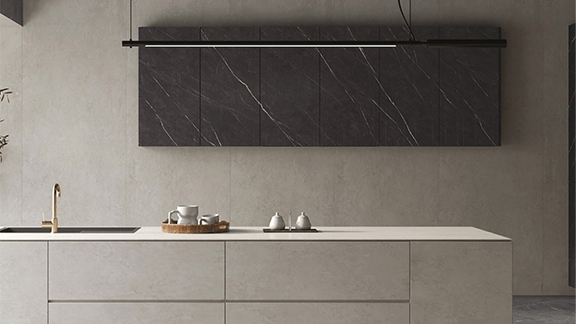
Kitchens: Ideal for islands, benchtops, and integrated sinks; heat-proof for hawker-inspired cooking.
Bathrooms: Vanity tops and shower walls resist humidity and limescale.
Outdoor: BBQ counters or pool surrounds withstand weather.
Commercial: Retail displays or hospitality bars demand its hygiene.
Installation mirrors quartz— templating, fabrication, levelling—but its flexibility allows thinner profiles for lighter loads.
Maintenance: Effortless Elegance
Care is simple: daily wipe with pH-neutral soap and microfibre cloth. No sealing, polishing, or special cleaners needed. For stains, mild bleach solutions suffice; avoid abrasives. Unlike marble, no etching from lemon juice; unlike laminate, no bubbling.
The Future: Why Sintered Stone Dominates 2025 Trends
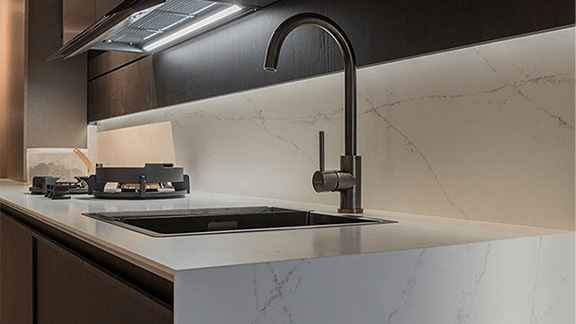
As smart homes rise, sintered stone integrates RFIDs for touchless tech or antimicrobial ions. Antimicrobial variants combat post-pandemic hygiene concerns. In Singapore, rising HDB/condo renos fuel demand, with prices competitive at S$200-400/sqft installed.
Challenges? Initial cost (20-30% above laminate) offsets via durability. Availability requires specialist fabricators like those versed in waterjet cutting.
Read Next: Why Choose Local? The Advantages of Working with Singapore Stone Suppliers
FAQs
Q1. Is sintered stone more expensive than quartz or granite?
Sintered stone sits mid-range: comparable to mid-grade quartz (S$250-350/sqft installed) but often cheaper long-term than granite due to no sealing/maintenance. Premium patterns match high-end marble aesthetics at fraction of cost.
Q2. Can sintered stone be used outdoors in Singapore’s climate?
Absolutely—its UV resistance, zero porosity, and thermal stability make it perfect for humid, rainy tropics. Non-slip textures suit wet areas like poolside counters.
Q3. How does sintered stone compare to porcelain slabs?
Sintered stone offers superior flexural strength and heat resistance; porcelain excels in thinness but scratches easier. Both non-porous, but sintered stone’s mineral composition yields richer colours and veining realism.
Conclusion
Sintered stone isn’t just a countertop material—it’s a forward-thinking solution embodying durability, style, and sustainability for modern living. In Singapore’s demanding homes, it delivers timeless appeal without compromise, future-proofing renovations. For bespoke fabrication and installation, consult specialists who transform visions into enduring surfaces. Embrace sintered stone: where function meets artistry, and homes become legacies.