Key Takeaway
- Granite flooring in Singapore performs best in spaces with moderate foot traffic and low moisture exposure, such as entrance foyers, living rooms, and bedroom suites.
- Granite stone ranks between 6 and 7 on the Mohs hardness scale, making it one of the most scratch-resistant natural flooring materials available.
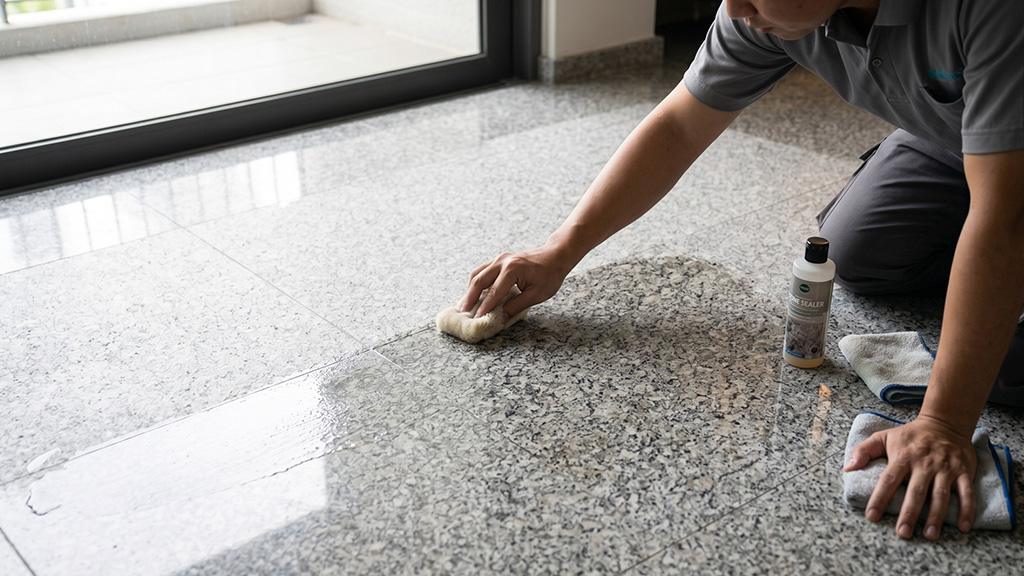
- Natural stone flooring requires periodic sealing to resist moisture and staining in Singapore’s humid climate. Most granite floors need resealing every one to two years.
- The finish choice determines both the look and the slip resistance of granite in Singapore. Polished finishes are not suitable for wet areas without anti-slip treatment.
- Granite works well across HDB, condo, and landed property projects when the right finish and maintenance routine are matched to the room.
Introduction
Granite flooring has been a fixture in Singapore homes for decades. Walk into an older landed property or a well-specified condo from the 1990s or 2000s and you’ll often find it in the foyer, the living area, or the bathrooms. The material earned that presence through genuine performance over time: it’s hard, it handles foot traffic well, and the visual character of natural stone doesn’t date the way certain tiles or laminates do.
What changes over time is the homeowner’s relationship with the floor. Granite stone looks effortless in a showroom sample. On an actual floor, across fifteen years of daily household life in Singapore’s humidity, the maintenance reality becomes more apparent. Sealing requirements, finish sensitivity in wet areas, and the weight implications for upper-floor units all deserve consideration before the first slab is cut.
This guide covers where granite flooring in Singapore works best, what finish choices affect performance in each room, and the maintenance commitments that keep natural stone looking consistent over the long term.
What Is Granite Flooring in Singapore?
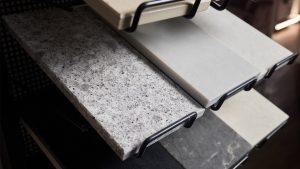
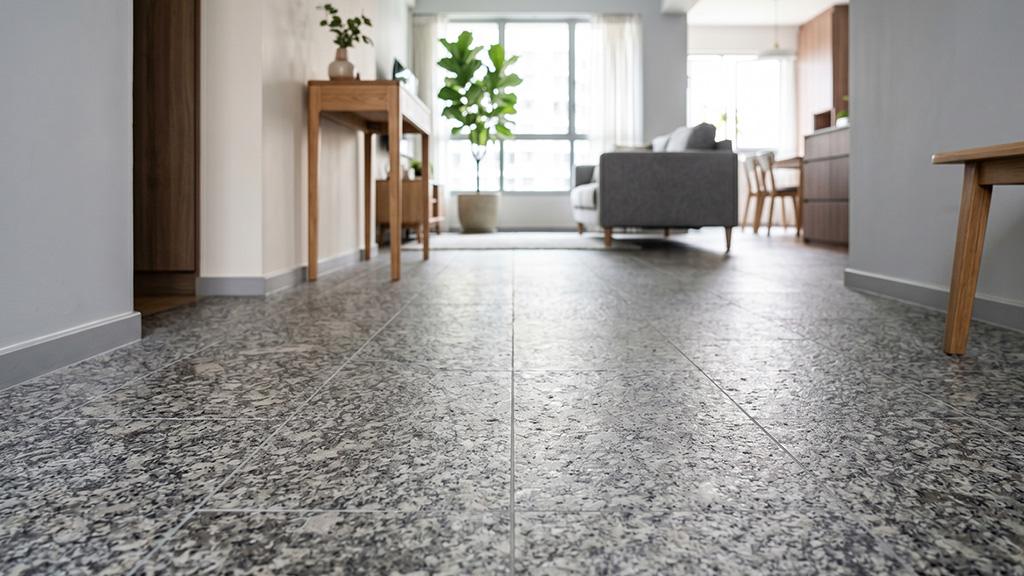
Granite flooring in Singapore refers to floor surfaces made of natural granite, an igneous rock formed by slowly cooled magma. Granite consists primarily of quartz, feldspar, and mica, giving it its characteristic speckled appearance and significant hardness. On the Mohs scale, granite ranks between 6 and 7, placing it above most ceramic tiles and comparable to engineered quartz in scratch resistance. Unlike engineered surfaces, natural stone flooring varies in pattern and mineral composition between slabs. Granite is porous at a microscopic level and requires sealing to resist moisture absorption. Available in tiles, slabs, and large-format cut pieces, it’s used across floors, foyers, bathrooms, and outdoor areas in Singapore residential projects.
Where Granite Flooring Performs Best
Not every space in a Singapore home is an equal candidate for granite stone. The rooms where granite genuinely delivers on its long-term promise share a set of conditions: controlled moisture, manageable cleaning demands, and layouts where the material’s hardness and visual character can be appreciated without the maintenance burden overwhelming the household.
Entrance Foyers and Corridors
The entrance foyer is where granite flooring in Singapore has the strongest case. Foyers handle the most varied foot traffic in a home: outdoor shoes, wet feet in the rain, and the daily transition between outside and inside. Granite’s hardness resists the scratching that sand and grit tracked in from outdoor environments cause over time. A polished or honed granite foyer floor that was properly installed twenty years ago often still looks sharp today.
The aesthetic argument is also strongest here. A foyer sets the visual tone for a home from the moment someone walks in. A large-format granite slab in a distinctive pattern, with minimal grout lines, creates an impression that porcelain or vinyl flooring rarely matches. For homeowners in landed properties or larger condo units where the foyer has its own dedicated footprint, this is the room where natural stone flooring earns its premium most clearly.
Living Areas in Landed Properties and Larger Condos
Living areas in Singapore homes that have either natural ventilation or climate control benefit from granite flooring well. Granite stays cooler underfoot than carpet or some engineered wood products, which suits Singapore’s tropical climate. The material also holds up to the specific type of wear that living rooms accumulate: furniture legs, dropped objects, foot traffic from household members, and the cleaning products used on a regular basis.
In landed properties, where living areas are typically larger and more generously proportioned, natural stone flooring creates a spatial continuity that smaller-format tiles can’t match. A continuous granite floor running from the foyer through the living area into the dining space reads as a single unified surface that amplifies the sense of space.
For HDB and smaller condo units, the calculus is more nuanced. Granite tiles in smaller formats work well in compact living areas, but the weight of granite flooring on upper-floor units should be factored into the renovation brief, particularly for HDB flats where the floor slab load has defined limits.
“Granite flooring earns its place in rooms where daily life is visible, foot traffic is consistent, and the visual character of natural stone justifies the maintenance it asks for.”
Where Granite in Singapore Requires More Thought
Kitchens
Kitchen floors in Singapore take on a specific set of conditions that granite handles variably depending on two factors: finish and sealing discipline. Granite stone is dense and resists staining better than marble, but it’s still porous without sealing. In a kitchen where cooking oil, sauces, and water are on the floor regularly, an unsealed or under-sealed granite floor accumulates staining in the microscopic pores of the stone over time. The staining is often subtle at first and becomes more pronounced over months.
A honed or matte finish granite floor in a kitchen is more practical than a polished surface because matte finishes are less slippery, show grease marks less readily, and don’t require the same level of upkeep to look consistent. The trade-off is that honed granite is more porous than polished granite, and it may need more frequent sealing to compensate.
For homeowners committed to granite in the kitchen, a resealing schedule of once a year is the standard recommendation in Singapore’s humidity. This isn’t a demanding task, but it does need to happen consistently. A missed year of sealing in a high-use kitchen creates staining that’s difficult to reverse without professional stone polishing.
Bathrooms and Wet Areas
Polished granite floors in wet areas are a slip hazard. This is a non-negotiable safety point. A polished granite surface has a Coefficient of Friction that drops significantly when wet, particularly in a shower enclosure or a bathroom with a rain shower head. For elderly residents or households with young children, a polished granite bathroom floor creates a genuine risk.
The solution is finish selection, not material abandonment. A flamed or brushed granite finish provides the grip needed in wet areas while retaining the natural stone character. Alternatively, smaller-format granite tiles (300mm by 300mm or mosaic formats) increase the grout line density, which improves grip across the floor surface.
For HDB homeowners considering granite in bathrooms, HDB’s renovation guidelines for building works specify requirements for wet area waterproofing and the replacement of wall and floor finishes in bathrooms, including the three-year restriction period on removing finishes in newly-built flats. Understanding these requirements before specifying granite avoids complications during the renovation process.
Granite Flooring Maintenance in Singapore’s Climate
Singapore’s combination of high humidity and tropical temperatures creates specific conditions for natural stone flooring. Humidity accelerates the movement of moisture through porous materials over time. For granite stone, this means that the sealing schedule needs to be adhered to more consistently than it would in a drier climate.
A well-sealed granite floor resists moisture absorption effectively. The sealant acts as a barrier that prevents liquids from penetrating the stone’s surface and causing internal staining or mineral deposits. How often resealing is needed depends on the finish (polished granite needs less frequent sealing than honed), the level of foot traffic, and the cleaning products used on the floor. According to This Old House, granite is less porous than other natural stones but still benefits from periodic sealing, and cleaning products with a high or low pH level should be avoided to prevent deteriorating the sealant layer over time.
Day-to-day cleaning is straightforward: warm water and a pH-neutral stone cleaner. Avoid bleach-based products, strong alkaline cleaners, and vinegar, all of which degrade the sealant and can etch the surface of the stone over time with repeated use. Most granite floors in Singapore that show premature wear or discolouration have been cleaned regularly with the wrong products rather than neglected entirely.
TSD’s guide to granite stone in Singapore covers how to evaluate granite quality and what to ask suppliers about finish, sourcing, and sealing requirements for residential projects.
“A granite floor that’s been sealed correctly and cleaned with the right products looks the same in year ten as it did in year one. The maintenance isn’t complicated. It just needs to be consistent.”
Finish Options and What They Mean in Practice
The finish applied to granite during fabrication determines how the stone looks, how it feels underfoot, and how it performs in each environment. The four most common finishes for granite flooring in Singapore are:
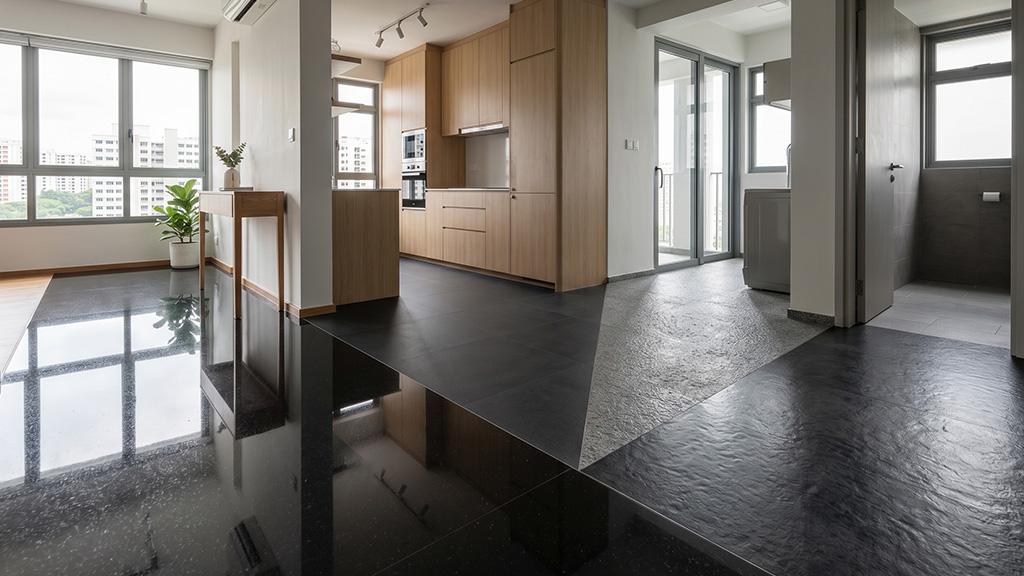
Polished finishes produce a high-gloss, mirror-like surface that reflects light and makes colours and mineral patterns appear most vivid. Polished granite suits foyers, living rooms, and formal dining areas. It’s the finish most people picture when they think of natural stone flooring. It should not be used in wet areas without an anti-slip coating or treatment.
Honed finishes produce a flat, matte surface without sheen. The colour appears slightly softer than polished, and the texture is smooth to the touch. Honed granite suits kitchens, bedrooms, and informal living areas where a less reflective, warmer-feeling floor is preferred. The finish requires more frequent sealing than polished because it’s more open at the surface.
Flamed finishes are produced by applying high heat to the granite surface, causing the crystals to expand and creating a rough, textured surface. Flamed granite provides excellent grip and suits outdoor areas, wet zones, and high-traffic utility areas. The texture is noticeably coarser than polished or honed.
Brushed finishes achieve a texture between honed and flamed through a mechanical brushing process. The result is an aged, slightly rough surface that resists slipping better than a honed finish. Brushed granite suits bathrooms and corridors where grip is a priority but a coarser flamed finish would feel too heavy.
TSD’s floor tiles and surfaces guide covers how finish selection affects performance across different room types and how to match natural stone flooring to Singapore interior design trends.
Is Granite Flooring in Singapore the Right Choice for Your Home?
Granite flooring in Singapore suits homeowners who want a natural stone surface with genuine longevity, a distinctive visual character that engineered alternatives can’t replicate, and the ability to commit to a consistent sealing and maintenance routine. It works best in foyers, living rooms, and landed property common areas. With careful finish selection it extends to kitchens and bathrooms. The key decisions to make before specifying granite are which finish matches each room’s moisture and traffic conditions, and whether the household can sustain the maintenance schedule that natural stone asks for over the long term.

Frequently Asked Questions
1. How often does granite flooring in Singapore need to be sealed?
Most granite floors in Singapore need resealing every one to two years, depending on the finish and level of use. Honed and matte finishes require more frequent sealing than polished surfaces. Kitchens and bathrooms with higher moisture exposure need closer attention to the sealing schedule than living rooms or bedrooms.
2. Is granite flooring suitable for HDB flats in Singapore?
Yes, granite flooring can be used in HDB flats. The key considerations are the weight load on upper-floor slabs, compliance with HDB’s renovation guidelines for floor finish replacement, and the three-year restriction period on removing original wet area finishes in new flats. Homeowners should engage an HDB-registered renovation contractor and check the current guidelines before specifying granite.
3. What is the best granite finish for bathrooms in Singapore?
Flamed or brushed finishes provide the best grip for bathroom floors. Polished granite is slippery when wet and should be avoided in shower areas or wet room layouts without an anti-slip surface treatment. Smaller tile formats with more grout lines also improve safety in wet zones.
4. How does granite flooring compare to porcelain tiles in Singapore?
Granite stone offers a natural visual character that no porcelain tile fully replicates. Porcelain is non-porous and requires no sealing. Granite requires periodic sealing but is harder and more scratch-resistant than most porcelain. For homeowners who prioritise a natural stone look and are prepared to maintain it, granite often holds its value and appearance longer than high-quality porcelain.
5. Can granite flooring be used outdoors in Singapore?
Yes, with the right finish. Flamed or brushed granite handles UV exposure and moisture outdoors without degrading. Polished granite is not suitable for outdoor use because the surface becomes extremely slippery when wet and UV exposure can affect the stone’s colouring over time. For alfresco areas, pool surrounds, and external corridors, a textured finish granite is the appropriate specification.
Granite has stayed relevant as a flooring material in Singapore homes across generations precisely because it performs over the long term in the spaces it’s matched to correctly. The visual uniqueness of natural stone flooring, the hardness that resists scratching, and the thermal comfort underfoot in a tropical home all contribute to a floor that homeowners are still happy with fifteen years after installation. The maintenance requirement is real but manageable. Getting the finish right for each room is the decision that determines whether granite works effortlessly or creates ongoing frustration.
If you’re planning a renovation and want to see granite options across finishes, formats, and colours, TSD’s full range of surfaces is available at their Singapore showroom. You can also review TSD’s guide to kitchen countertops Singapore to see how granite performs as both a countertop and flooring material across different kitchen configurations.