 Key Takeaways
- HybriQ+ technology changes the sustainability conversation of Silestone. Silestone quartz manufactured under HybriQ+ uses at least 20% recycled content and 99% recycled water, a meaningful differentiator for homeowners with green renovation goals.
- The N-Boost surface treatment sets it apart from standard quartz. Unlike base quartz, Silestone’s N-Boost treatment deepens colour vibrancy and strengthens stain resistance, particularly relevant in Singapore kitchens where turmeric and chilli oil are common.
- Silestone Singapore carries a 25-year warranty through Cosentino. Very few surface materials available locally offer this length of warranty coverage. It reflects the manufacturer’s confidence in long-term performance under daily kitchen conditions.
- The Integrity sink integration eliminates the most common hygiene pinch point. The fused sink removes the rim joint that collects grease and debris in conventional setups, an advantage in busy Singapore properties.
- Collection choice should follow design direction. With 7 distinct collections spanning industrial to marble-inspired aesthetics, the right Silestone quartz choice is the one that coheres with your kitchen’s overall design language.
Introduction
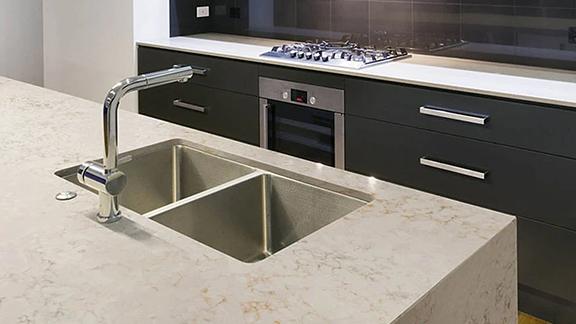
Not all quartz surfaces are made the same way. Silestone, manufactured by Cosentino, the Spanish surface group with a presence in more than 52 countries, is an engineered quartz surface built around a proprietary hybrid mineral formulation.
Two technologies define the current generation of Silestone. The first is HybriQ+, a manufacturing process that incorporates at least 20% recycled content, including glass, and runs entirely on renewable electricity, using 99% recycled water. The second is N-Boost, a patented surface treatment that deepens colour vibrancy and strengthens the already non-porous surface against staining agents common in Singapore kitchens, including turmeric, chilli oil, and coffee.
This blog explains what makes Silestone different from ordinary quartz and why it has earned such a strong reputation in Singapore’s renovation market.
Why Silestone Singapore Has Become a Strong Fit for Local Kitchens?
At its core, Silestone quartz is composed of approximately 94% natural quartz minerals combined with resins, pigments, and selected recycled materials.
The result is a surface that retains the hardness and density of quartz rated 7 on the Mohs scale, harder than most kitchen tools will ever test, while offering consistent colour, precise pattern engineering, and performance properties that naturally occurring stone cannot replicate.
Silestone’s performance profile lines up well with the specific demands that Singapore kitchens place on countertop surfaces. There are many factors that make it particularly relevant.
- Singapore households cook with intensely pigmented ingredients daily.
- Turmeric, black soya sauce, chilli paste, and tamarind are routine, and they are the exact substances that cause permanent staining on porous or inadequately sealed surfaces.
- The N-Boost treatment on Silestone Singapore surfaces addresses this directly: in independent testing, turmeric and permanent marker left no trace after 24 hours on the treated surface.
- For households where staining is a consistent concern, this is a functional advantage, not a marketing claim.
- In Singapore, the air is always so humid, which makes porous materials like granite break down more quickly.
- If you don’t seal your granite, it will absorb water on the edges and along sinks. This will cause dark spots to appear, and then bacteria will grow on them.
Silestone quartz is different because it is non-porous due to its manufacturing process, which seems pretty convenient. Bacteria just do not stick on the surface as they do with other materials.
The built-in protection against bacteria is part of what makes it standard, not something extra you have to add. That part stands out, especially in a place where moisture is everywhere. Granite issues feel more common, but quartz avoids that whole problem.
Design Consistency Across Long or Complex Kitchen Runs
Since Silestone is manufactured rather than quarried, you can expect precise slab-to-slab colour and pattern consistency. This subtle detail will make a visible difference in the tight corner where two slabs meet in a small HDB kitchen or in the longer kitchen runs of landed properties.
Natural stone is visually interesting, but it can be difficult to match exactly if you want it to match your cabinets or floor tiles.
Helpful Resource : Why Dekton Singapore is for High-Durability & Heat-Resistant Kitchen Surfaces?
What is Available in Collection Range and What it Suits?
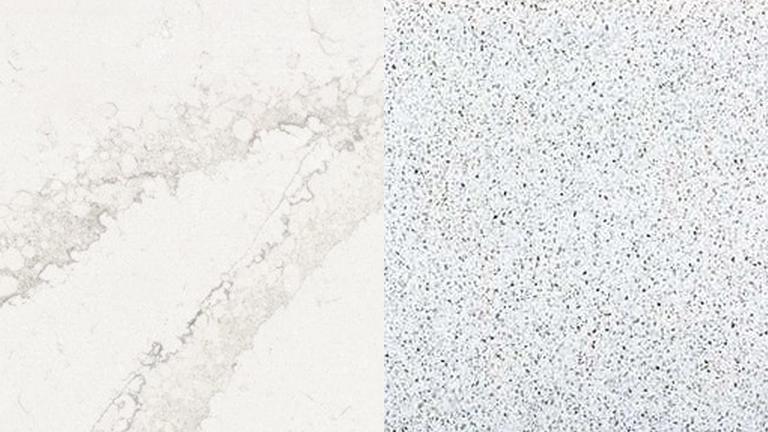
Cosentino Singapore categorises Silestone quartz into design collections, each centred on a specific design direction and aesthetic.
This comparison offers a clear diagnostic overview, connecting each collection to its distinct design personality, ideal interior compatibility, finish options, and relative price positioning within the Singapore market.
Loft
- Design Character: Industrial-inspired concrete and mineral tones, featuring warm greys, chalky whites, and sandy beiges
- Best-Suited Interior Style: Industrial, Wabi-sabi, Minimalist
- Key Finish Options: Suede, Polished
- Relative Price Tier (Singapore): Entry-level, approx. SGD 350–500 per metre run
Sunlit Days
- Design Character: Soft, daylight-inspired shades with creams, pale greys, and warm off-whites
- Best-Suited Interior Style: Scandinavian, Japandi, Coastal
- Key Finish Options: Suede, Polished
- Relative Price Tier (Singapore): Mid-range, approx. SGD 450–650 per metre run
Silken Pearl
- Design Character: Pearlescent white surfaces with delicate veining for an elegant, refined look
- Best-Suited Interior Style: Contemporary, Transitional, Luxury
- Key Finish Options: Polished, Honed
- Relative Price Tier (Singapore): Mid-Premium — approx. SGD 550–750 per metre run
Eternal
- Design Character: Marble-inspired surfaces with options like Calacatta, Statuario, and Arabescato veining
- Best-Suited Interior Style: Classic, Luxury, High-contrast Modern
- Key Finish Options: Polished, Honed, Suede
- Relative Price Tier (Singapore): Premium — approx. SGD 600–900 per metre run
Iconic Black
- Design Character: Bold charcoal and black tones, often with mineral flecks or subtle texture
- Best-Suited Interior Style: Contemporary, Moody Modern, Contrast-led
- Key Finish Options: Polished, Suede
- Relative Price Tier (Singapore): Mid-Premium — approx. SGD 500–750 per metre run
Arcilla Red
- Design Character: Earthy terracotta-red tones with mineral richness for statement design
- Best-Suited Interior Style: Mediterranean, Eclectic, Statement
- Key Finish Options: Polished, Suede
- Relative Price Tier (Singapore): Mid-Premium — approx. SGD 500–750 per metre run
Nebula
- Design Character: Cool grey stone-like textures offering versatility and understated appeal
- Best-Suited Interior Style: Modern, Minimalist, HDB Contemporary
- Key Finish Options: Polished, Suede, Volcano
- Relative Price Tier (Singapore): Mid-range, approx. SGD 420–600 per metre run
Silestone vs. Other Countertop Materials
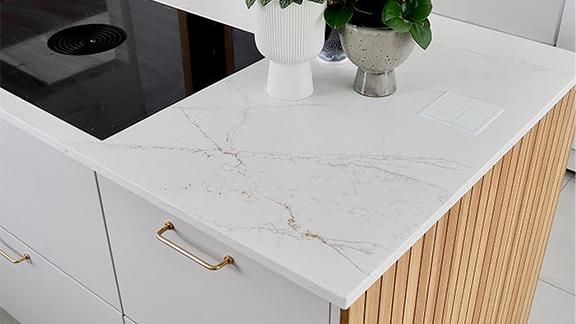
Silestone sits in the mid- to premium-engineered quartz category. The table below positions it against granite, solid surface, and sintered stone across the criteria most important to Singapore property owners:
| Performance Area | Silestone (Quartz) | Granite | Solid Surface | Sintered Stone |
| Surface porosity | Non-porous no sealing needed | Porous annual sealing required | Non-porous — seamless joins | Non-porous — densest surface |
| Heat resistance | Moderate use trivets above 150°C | High handles heat well | Low — trivets always required | Very High — best in category |
| Scratch resistance | High Mohs 7 hardness | High natural quartz hardness | Low scratches easily | Very High hardest surface |
| Stain resistance | Very High N-Boost treatment | Moderate depends on sealing | High non-porous | Very High non-porous |
| Design consistency | Excellent engineered uniformity | Variable natural slab variation | Excellent uniform colour batches | Good varies by brand |
| Integrated sink option | Yes Silestone Integrity sink | No | Yes fused seamlessly | No |
| Antimicrobial protection | Yes built-in bacteriostatic property | No depends on sealing | Yes non-porous surface | Yes non-porous surface |
| Sealing requirement | None lifetime maintenance-free | Yes every 1–2 years | None | None |
| Colour range | 80+ colours, 7 collections | Limited to natural slab supply | Wide many colour options | Moderate varies by brand |
| Eco credentials | HybriQ+: 20%+ recycled content, 99% recycled water | High quarrying impact | Synthetic material, moderate impact | High some brands use recycled content |
| Warranty (Singapore) | 25 years Cosentino warranty | Varies by supplier | Varies by brand | Varies by brand |
| Indicative cost (SGD / metre run) | SGD 350–900 | SGD 350–900 | SGD 200–600 | SGD 500–1,200 |
Common Myths Property Owners Often Get About Silestone
Homeowners who still believe Silestone misconceptions make wrong decisions about their renovation projects. Let’s clear up a few of the most common myths.
-
“Quartz and Silestone are the same thing.”
Silestone is a quartz-based surface, but it is not generic quartz. The N-Boost surface treatment and HybriQ+ manufacturing process are proprietary to Cosentino and are not present in standard engineered quartz products.
-
“It can handle hot pots directly.”
Like all engineered quartz, Silestone contains a resin binder that is vulnerable to thermal shock above approximately 150°C. Direct contact with a hot wok or cast-iron pan from a high-heat burner can cause discolouration or cracking. Trivets are not optional; they are standard practice.
-
“Silestone Singapore is difficult to source or install.”
Cosentino Singapore operates through an authorised distributor and certified fabricator network. Sourcing Silestone quartz in Singapore is straightforward, and fabricators familiar with the material are widely available. Availability varies by collection and colour, so confirming stock early in the project timeline is advisable.
Property owners who understand these facts will see why Silestone remains one of Singapore’s most trusted surfaces for modern kitchens and bathrooms.
Discover More : Choosing Kitchen Countertops in Singapore: What Homeowners Should Compare First?
Conclusion
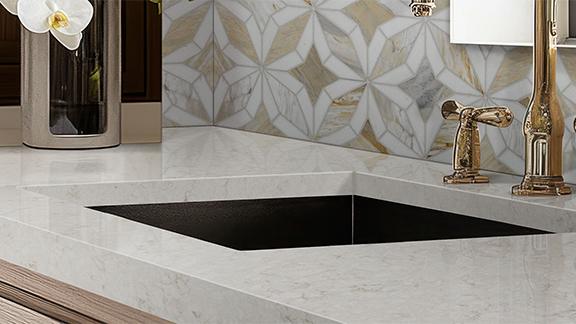
Silestone sits at the intersection of material performance, design range, and long-term reliability in a way that few surfaces in its category can match. The HybriQ+ credentials address sustainability concerns that are increasingly important in Singapore renovation planning.
The N-Boost treatment addresses the staining challenge posed by local cooking conditions. And the 25-year Cosentino warranty provides a level of post-installation confidence that generic quartz options do not.
Choosing the right countertop surface is about more than appearance. In Singapore homes, surfaces must withstand daily cooking, humidity, stains, heat exposure, and long-term wear while still complementing the overall interior design.
At TSD, we help discover premium Silestone quartz surfaces that combine modern aesthetics, durability, and low-maintenance performance for contemporary living.
As a one-stop stone specialist, TSD manages the entire process, from selection and consultation to customisation, fabrication, profiling, and installation. If you are renovating an HDB flat, condominium, landed property, or commercial space, our experienced team provides personalised recommendations to help you choose the right Silestone collection, finish, and slab specification for your space.
Visit our showroom at 16 Joo Koon Circle, call us at +65 6908 5147 or contact TSD to explore premium Silestone quartz collections, compare finishes, and speak with our specialists about creating the ideal countertop, tabletop, or stone surface solution just for you.
FAQs
1. What is Silestone, and how does it differ from other quartz surfaces?
Silestone is a premium engineered quartz surface manufactured by Cosentino, a Spanish stone group present in over 52 countries. It is composed of approximately 94% natural quartz with a hybrid mineral formulation.
2. Where can I find Silestone Singapore for a kitchen renovation project?
Silestone Singapore is available through Cosentino’s authorised distributor network and selected surface specialists. TSD Engineered Surfaces works with Silestone quartz and can advise on collection selection, slab availability, and installation requirements for both HDB and landed property renovations.
3. Is Silestone quartz suitable for cooking in Singapore?
For most Singapore households, yes. The non-porous surface resists staining from common local cooking ingredients, such as turmeric, chilli oil, and soya sauce, and the N-Boost treatment adds an extra layer of protection.
4. What does the Cosentino Singapore 25-year warranty cover?
The Silestone warranty provided by Cosentino is limited to covering manufacturing defects which occur during normal residential use. Damages due to misuse, including direct contact with a heat source, incorrect cleaning agents, and heavy-object impact, are not covered.
5. How does Silestone compare to Cosentino Singapore’s Dekton surface?
Both are made by Cosentino Singapore, but for different purposes. Silestone is an engineered quartz surface ideal for kitchen countertops, bathroom vanities, and wall cladding, offering design flexibility and stain resistance.