What You’ll Discover in This Guide
This blog provides a thorough comparison between sintered stone and natural stone for modern interiors. Readers will learn about material origins, performance in everyday use, aesthetics, maintenance, sustainability, and value for money. The guide covers pros and cons, showcases best applications, and answers key FAQs so homeowners and designers can make an informed choice for kitchens, bathrooms, and living spaces.
Sintered Stone vs Natural Stone: Which is Best for Modern Interior Design?
Modern interior design prioritises both beauty and function, seeking surfaces that are visually stunning, robust and easy to maintain. The surge of sintered stone into the market has given homeowners, architects, and designers a versatile new option alongside traditional natural stone such as marble, granite, and quartz. So which material is best for contemporary interiors—and why?
What is Sintered Stone?
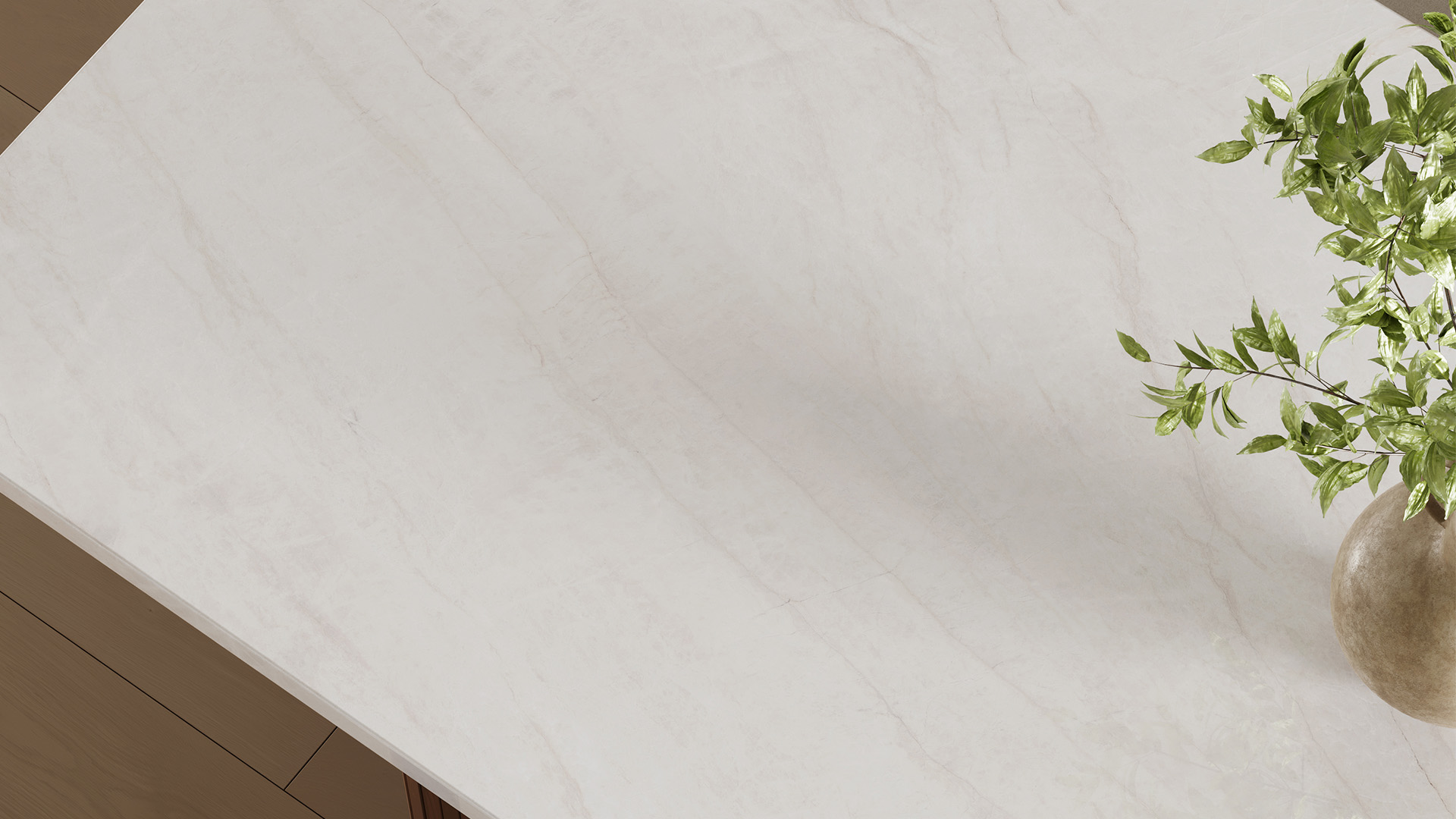
Sintered stone is an engineered surface produced by compacting and firing natural minerals at extremely high temperatures. This advanced process replicates the geological changes that occur over millennia to produce natural stone, but condenses them into a matter of hours. The result is a highly durable, non-porous slab with consistent colour, pattern, and thickness. Leading brands offer a variety of finishes that emulate the elegance of natural marble or granite, as well as sleek, modern options for minimalist interiors.
What is Natural Stone?
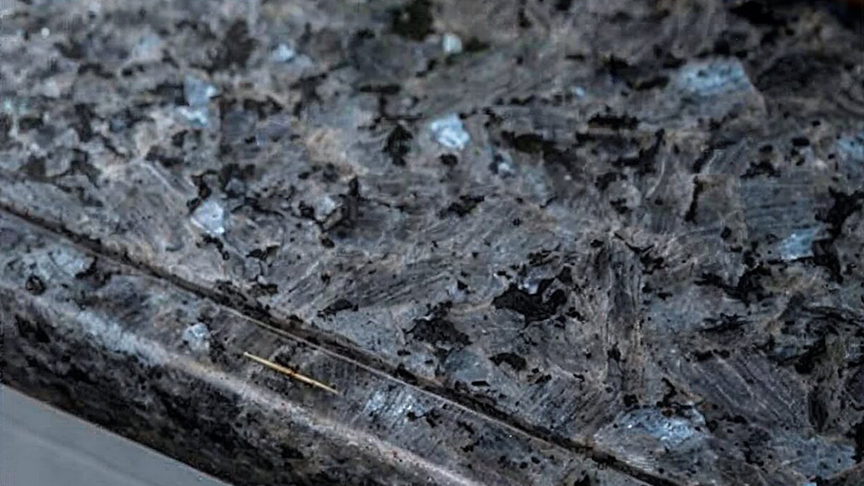
Natural stone refers to materials quarried directly from the earth—notably marble, granite, and quartzite. Each slab is unique, shaped by geological processes and mineral composition over millions of years. Its timeless beauty and individual veining make it highly prized, not only for its aesthetic value but also for its connection to nature and luxury. Natural stone offers a premium look for countertops, flooring, wall panels, and bathroom vanities.
Comparing the Key Features
| Feature | Sintered Stone | Natural Stone |
| Durability | Extremely resistant to scratches, heat, stains and impacts | Varies by type; granite and quartzite are strong, marble is softer and more prone to etching |
| Maintenance | Low — does not require sealing, easy cleaning | Medium to High — regular sealing needed, acids and stains can be problematic |
| Appearance | Consistent patterns, wide range, can mimic marble or granite | Unique and individual veining, subtle beauty, premium luxury look |
| Sustainability | Energy-intensive manufacturing – higher environmental footprint | Low impact – quarried, minimal processing, recyclable, low VOC |
| Cost | Mid to high; more expensive than some stones due to complex production | Wide range, from affordable granite to premium marble and quartzite |
| Installation | Requires specialist handling (can be brittle until installed) | Experienced installers preferred, but less susceptible to cracking |
Why Choose Sintered Stone?
- Outstanding durability for busy kitchens, bathrooms, and commercial settings
- Non-porous and hygienic — ideal for food preparation and healthcare spaces
- No need for long-term sealing or specialised maintenance, just regular cleaning
- Wide design flexibility; available in large-format slabs, different thicknesses, and a variety of colours
- Consistency in pattern — ideal for matching across large surfaces or multiple rooms
- Highly resistant to UV, heat, and stains
Read More: Why Choose Local? The Advantages of Working with Singapore Stone Suppliers
Why Choose Natural Stone?
- Timeless elegance and individual patterning that cannot be replicated
- Adds value and prestige to homes, often seen as a luxury investment
- Durable options like granite and quartzite are suitable for most surfaces
- Develops a patina over time, creating unique character
- Eco-friendly — free of synthetic chemicals, recyclable, sustainably quarried
Best Applications in Modern Interiors
Sintered Stone
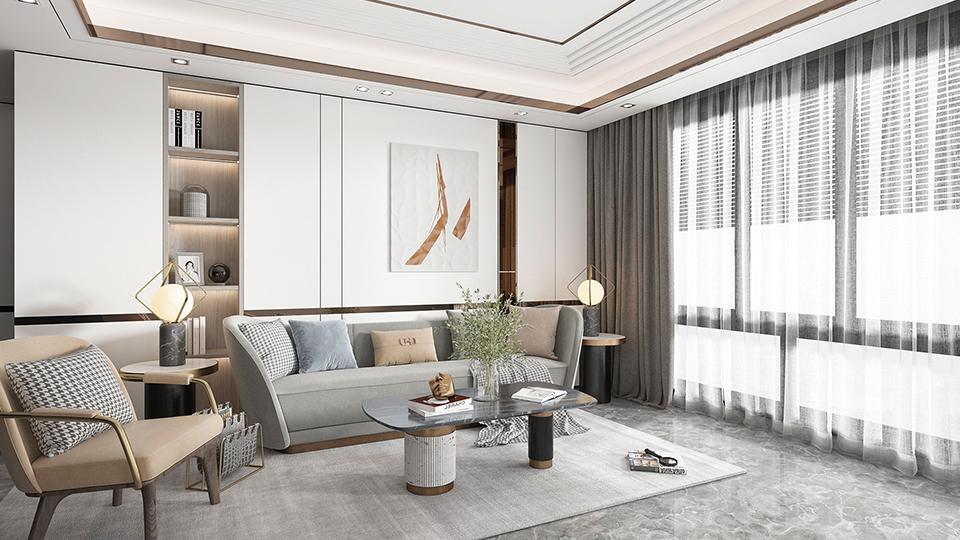
- Kitchen countertops, backsplashes, and waterfall islands
- Bathroom vanities and shower walls
- Floor and wall cladding, especially in high-traffic or damp environments
- Feature walls in living areas or commercial environments
- Outdoor kitchens and alfresco areas thanks to UV and frost resistance
Natural Stone
- Premium kitchen worktops, breakfast bars, tables
- Elegant bathroom vanities, bath surrounds, and flooring
- Decorative wall panels and fireplace surrounds
- Entryway flooring and grand staircases
- Custom furniture and sculpture pieces
Sustainability Considerations
Modern design increasingly incorporates sustainability into material choices. While sintered stone often claims “natural ingredients,” the manufacturing process is energy-intensive and creates a larger carbon footprint than quarrying and fabricating natural stone. However, its longevity and ease of maintenance can offset the upfront impact by reducing replacement and chemical use over time.
Natural stone involves quarrying, transportation and fabrication, but minimal additives. It is widely recyclable and long-lasting, with natural low VOC emissions—making it a responsible choice for indoor air quality.
Aesthetics: Tradition Meets Technology
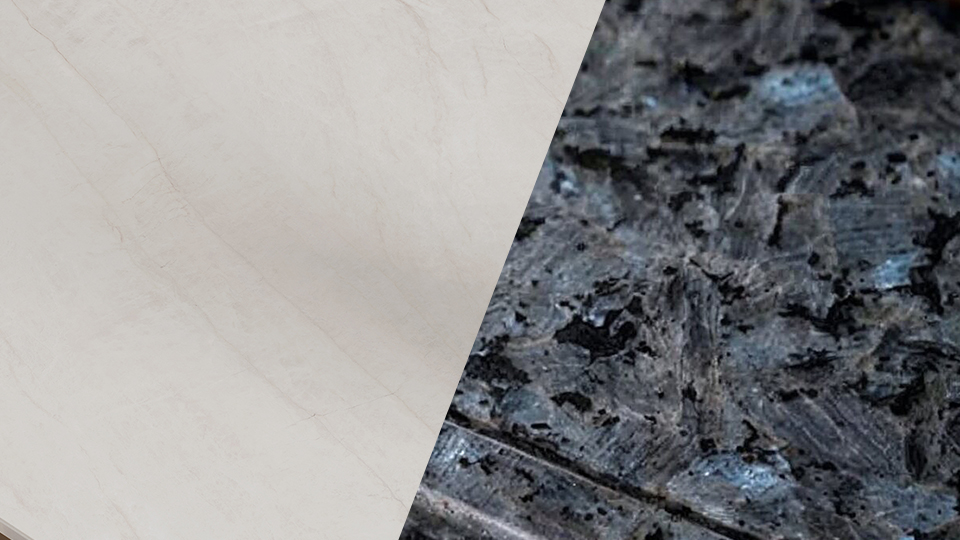
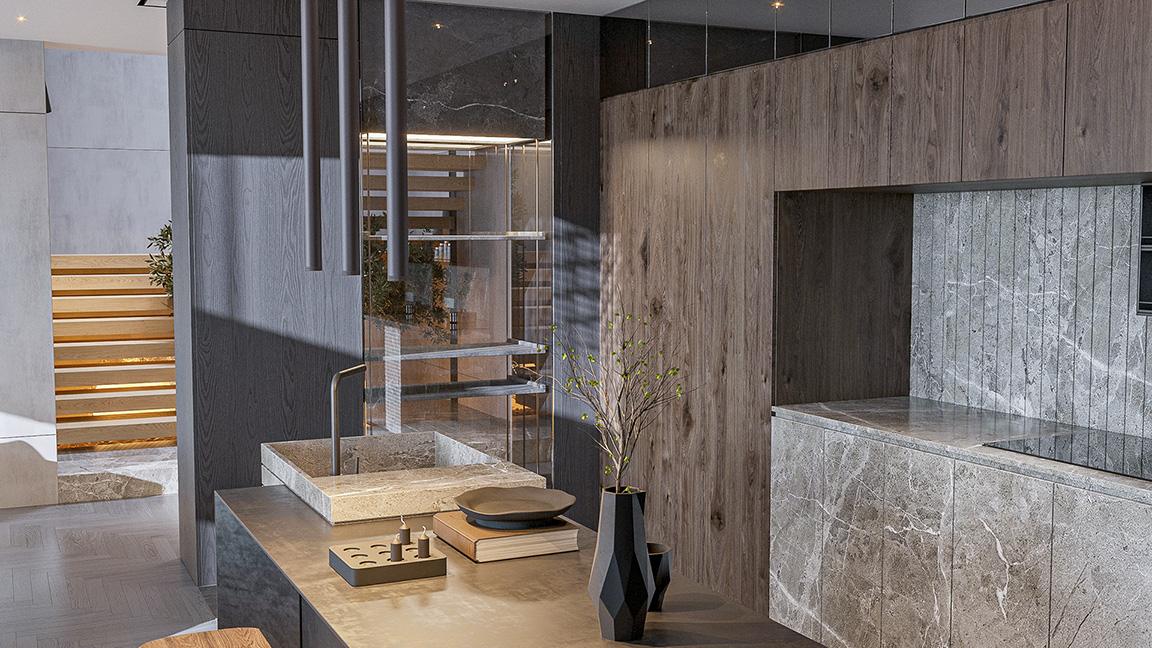
Natural stone’s unrivalled patterning and luxury appeal make it a favourite for statement projects and those who appreciate organic variation. Sintered stone, meanwhile, is the top choice for designers seeking sleek minimalism, colour uniformity, and versatile installation.
Recent advances allow sintered stone to convincingly mimic marble, granite, and other stones, presenting a modern palette for contemporary interiors while delivering technical superiority.
Maintenance and Longevity
Sintered stone is virtually maintenance-free, requiring only simple cleaning with soap and water, and no annual sealing. Natural stone, particularly marble and some granites, needs regular sealing and mindful use to protect against stains, acids, and scratches. However, with proper care, both materials will last many years and retain their beauty.
How to Clean and Care for Sintered Stone and Natural Stone: A Simple Guide
Taking care of your stone surface doesn’t have to be complicated. Both sintered stone and natural stone are easy to maintain when you know the right steps. Here’s a practical guide to keeping your surface looking great for years to come.
Caring for Sintered Stone — Daily and Weekly Steps:
- Clean the surface daily using a soft cloth or sponge with mild soap and warm water
- Dry the surface after cleaning to avoid water marks
- Avoid harsh scrubbing pads or abrasive cleaning powders — they’re not needed and can dull the finish over time
- For tough stains, use a pH-neutral cleaner and wipe quickly
- Do not use bleach or strong chemical cleaners as they can affect the surface finish
- You never need to seal sintered stone. This saves you time and money year after year
Natural Stone Care – Regular Maintenance Steps:
- Clean spilled stones immediately, especially with acidic liquids like juice, coffee or wine – they can etch or stain the surface if left for long periods
- Clean daily with a damp cloth and pH-neutral cleaner – avoid anything acidic or abrasive
- Seal marble and granite at least once a year to protect against moisture and stains
- Use coasters under glasses and trivets under hot items for extra protection
- For deep scratches or stains, contact a stone professional for polishing or resealing
At TSD, we always share care tips with every customer so that your stone investment stays beautiful and performs well long into the future.

Read Next: The Ultimate Guide to Sintered vs Porcelain vs Quartz: Making an Informed Decision
FAQs
Q1. Is sintered stone better than natural stone for kitchen countertops?
Sintered stone offers higher resistance to heat, stains, and scratches, and is easier to maintain, making it a superb choice for busy kitchens. However, natural stone’s beauty and character might be preferred by those seeking a truly premium or unique look.
Q2. Do sintered stone surfaces require any special cleaning or maintenance?
No, one of the main advantages of sintered stone is low maintenance. Just wipe clean with soap and water—there’s no need for lengthy sealing or special products, unlike many types of natural stone.
Q3. Is sintered stone environmentally friendly?
While sintered stone uses natural minerals, its manufacturing process is energy-intensive, resulting in a higher carbon footprint than natural stone. However, its longevity and minimal maintenance requirements can balance this impact over time.
Modern interior design is about balancing aesthetics, performance and sustainability. Sintered stone and natural stone each offer distinct advantages—whether you prioritise durability and consistency or crave the timeless beauty of real stone. With a clear understanding of each material, you can choose the perfect stone surface to elevate your space for years to come.